Care for the Caring
A holistic Approach
Self Care When Serving Others
Just as a tree cannot flourish without strong roots, caregivers cannot sustain their calling without tending to their own well-being.
Serving others in high-stress environments places real demands on your body, emotions, and spirit. Without intentional care, even meaningful work can lead to exhaustion over time.
Caring for yourself is not a distraction from your calling—it is part of it. By strengthening your foundation, you grow the capacity to serve with resilience, clarity, and compassion for the long term.
Promote Resilience
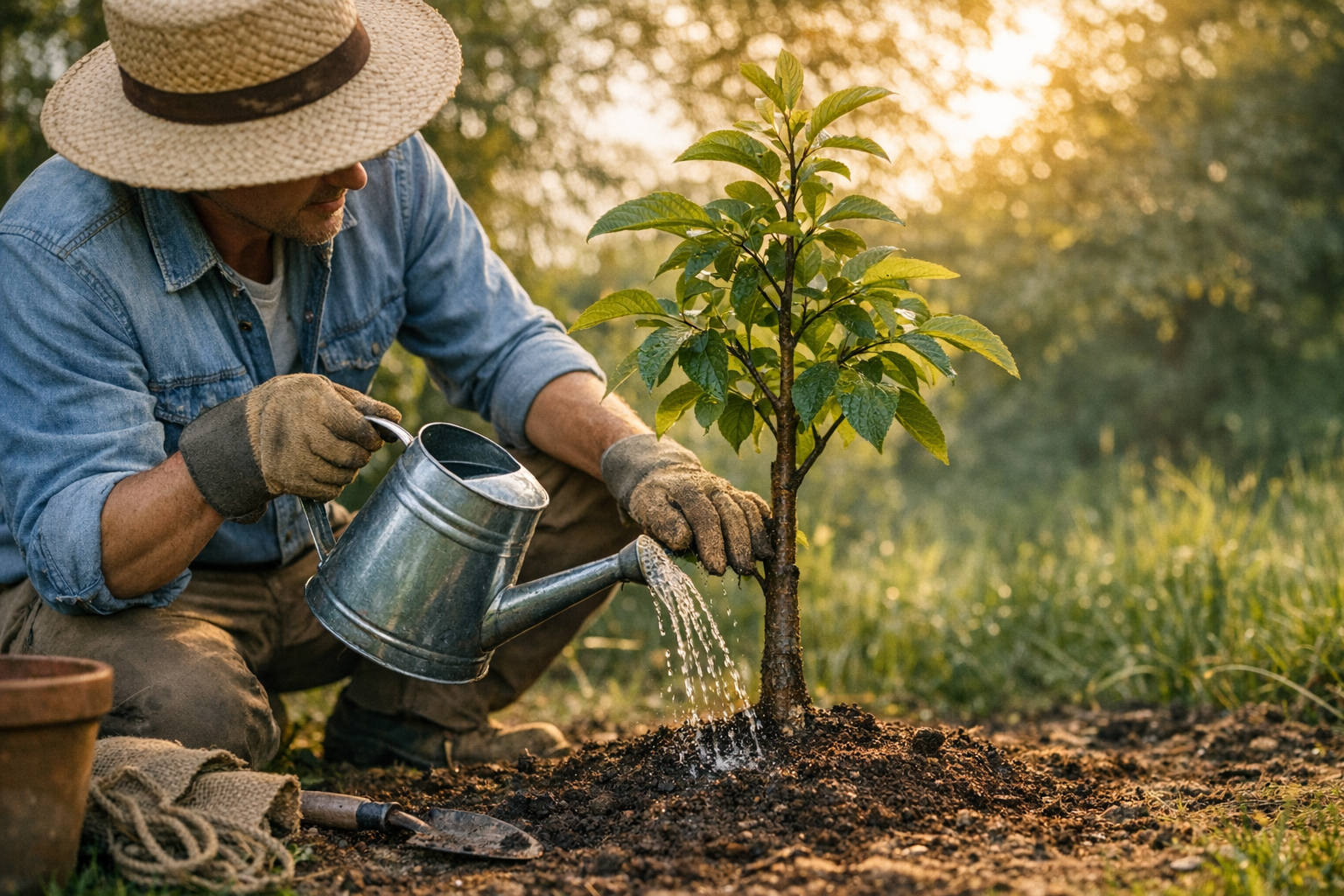
Like a tree’s deep roots anchoring it through storms, resilience grows from nurturing your hidden foundation—physical care, emotional boundaries, and spiritual renewal. Prune what drains you (unhealthy habits, overcommitment) to redirect energy toward what sustains growth, just as gardeners trim branches for stronger vitality. Build this strength daily through self-reflection, support networks, and small rituals that reinforce your purpose in serving others
Prevent Burnout
Burnout strikes when a caregiver’s branches become overburdened, blocking light and stunting growth—much like dead wood weighing down a tree. Protect yourself by setting clear boundaries (“no” is stewardship, not selfishness), accepting help from others, and scheduling breaks to restore energy and prevent emotional depletion. Regular pruning of stress—through exercise, journaling, or community—keeps your tree flexible and thriving, ensuring you serve with sustained compassion.

Self Assessment

The Whole PERSON

Understanding Stress

Secondary Trauma

Frequently Asked Questions
Who is this for?
Care for the Person is designed for caregivers, missionaries, first responders, and others serving in high-stress or crisis environments who want to sustain their well-being over time.
What do you mean by Holistic Care?
We focus on the integration of physical, emotional, relational, and spiritual health—because each area affects your capacity to serve and thrive.
Is this only for people in crisis?
No. While we address stress and trauma, our primary focus is prevention and sustainability—helping you stay well, not just recover.
How is this different from other self-care resources?
Our approach is designed specifically for people who care for others in demanding contexts, integrating psychological insight with faith-informed practices and a global perspective.
Where should I start?
If you’re unsure, begin with the self-assessment tools to understand your current level of stress and well-being, then explore resources tailored to your needs.
What if I’m already burned out?
You’re not alone—and there is a path forward. Start with small, manageable steps and consider seeking additional support alongside the resources provided here.