Stress and Trauma
Working in Crises
Serving in humanitarian, disaster response, and cross-cultural contexts often means functioning under prolonged pressure, uncertainty, and exposure to suffering. In these environments, it is easy to become so focused on the needs of others that we overlook our own stress reactions. Developing self-awareness allows us to recognize signs of fatigue, emotional strain, and unhealthy coping patterns before they become overwhelming. By regularly checking in with ourselves—physically, emotionally, spiritually, and relationally—we can respond to stress more effectively, maintain resilience, and continue serving others from a place of health rather than depletion.
Compassion Fatigue
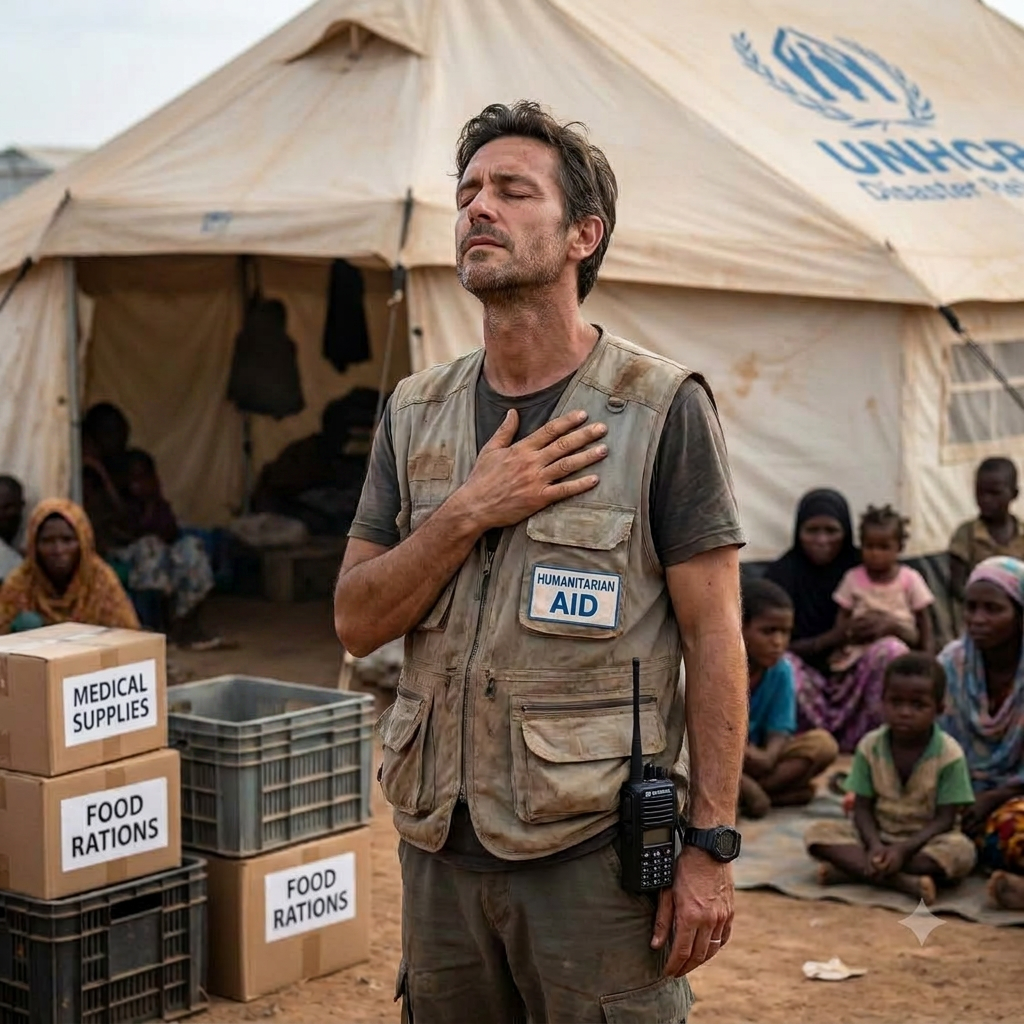
Compassion fatigue is the physical, emotional, and spiritual exhaustion that can result from prolonged exposure to the suffering of others. Often called the “cost of caring,” it can develop when caregivers continually give of themselves without adequate opportunities for rest, renewal, and support. Over time, compassion fatigue may reduce empathy, increase irritability, and make it difficult to find joy and meaning in work that was once deeply fulfilling.
Preventing Burnout
Burnout is a state of chronic physical and emotional depletion caused by ongoing stress and excessive demands over time. Unlike compassion fatigue, which is closely connected to caring for those who suffer, burnout often develops when workloads, expectations, and responsibilities consistently exceed available resources. Preventing burnout requires healthy boundaries, sustainable rhythms of rest, self-awareness, and regular attention to whole-person well-being. By caring for ourselves proactively, we are better equipped to serve others with endurance, effectiveness, and compassion.
Trauma
Trauma occurs when an event or series of events overwhelms a person’s ability to cope, leaving lasting effects on the body, mind, relationships, and sense of safety. Those serving in the midst of crises may experience trauma directly or indirectly through repeated exposure to the pain and losses of others. Understanding trauma helps us recognize its impact and take intentional steps toward healing and resilience.